
Planning a wedding can feel overwhelming for anyone — but neurodivergent wedding planning often comes with an extra layer of sensory, emotional, social, and decision-making challenges.
The traditional wedding planning process tends to assume that everyone enjoys small talk, bright lights, loud music, surprises, rigid timelines, and big groups. But not everyone feels comfortable with that. Many neurodivergent people — autistic, ADHD, AuDHD, sensory-sensitive, anxious or simply introverted, including those with autism spectrum disorder — experience weddings in a completely different way.
This guide is here to help you design a wedding day that genuinely supports you. Not what the wedding industry expects. Not what tradition demands. Not what “most people” do.
Just the day that feels right for you and your partner.
This isn’t a rulebook. It’s a collection of gentle ideas, considerations, and supportive suggestions drawn from lived experience, my own experience, real weddings, and the needs of neurodiverse couples.
Take what feels helpful. Leave what doesn’t. You deserve a day where you feel comfortable, grounded, and able to be yourself.
Table of Contents
- What Neurodivergent Wedding Planning Really Means
- Understanding Your Needs (Autism, ADHD, AuDHD & Beyond)
- Start With How You Want the Day to Feel
- Designing a Neurodivergent-Friendly Day: Gentle Ideas, Not Rules
- 1. Creating a Calm, Predictable Wedding Morning
- 2. A Ceremony That Feels Safe, Meaningful & Sensory-Aware
- 3. After the Ceremony: The Overwhelming Window
- 4. Sensory-Friendly Receptions & The Evening Atmosphere
- 5. Supporting Neurodivergent Guests
- 6. Autonomy, Boundaries & Creating Your Perfect Day
- A Note From Me, As a Neurodivergent Photographer
- Final Thoughts: Your Day, Your Way
What Neurodivergent Wedding Planning Really Means
Neurodivergent wedding planning is about designing a day that supports your sensory needs, emotional capacity, communication style, comfort levels, social energy, and pacing.
It’s about crafting a celebration that feels:
- Calm
- Predictable
- Meaningful
- Manageable
- Low-pressure
- Sensory-aware
- Spacious
- Authentic
Neurodivergent people often navigate weddings differently because they experience:
- Sensory input more intensely (bright lights, loud music, crowded rooms)
- Small talk or social expectations as draining
- Decision making as overwhelming
- Complex timelines as difficult to follow
- Noise or unpredictable moments as stressful
- Expectations to perform as uncomfortable
- Certain aspects of wedding planning, like managing time perception, prioritising tasks, or coping with overwhelm, as things they may find challenging
None of this means you can’t have a beautiful special day. It just means the day should be shaped around what helps you feel safe and present.
Maintaining focus on what matters most can help reduce overwhelm and make the planning process smoother.
Understanding Your Needs (Autism, ADHD, AuDHD & Beyond)
Every neurodivergent person is different, but here are some common patterns many couples recognise.
Autistic Needs Might Include…
- Predictable timelines and clear schedules
- Sensory-friendly environments
- Reducing surprises
- Calm surroundings
- Direct, clear communication
- Less pressure to perform socially
- Breaks between busy moments
- Avoiding bright lights and loud music
- Comfortable clothing
ADHD Needs Might Include…
- Simple choices
- Short planning bursts
- External structure
- Reminders
- Flexibility
- Movement-friendly pacing
- Visual tools and to-do lists
AuDHD Needs Might Include…
Wanting structure and freedom.
Craving calm and stimulation.
Feeling overwhelmed by planning yet needing control.
Experiencing burnout faster.
Totally valid.
Totally workable.
Sensory Needs Might Include…
- Warm, low lighting
- Controlled noise levels
- Fresh air or outdoor ceremony options
- Quieter seating areas
- A room to decompress
- Gentle transitions between moments
The goal isn’t to diagnose anything — it’s simply to understand what makes your body feel regulated, and to recognize the importance of having a sense of emotional or mental grounding.
Start With How You Want the Day to Feel
Before thinking about a wedding venue, wedding invitations, décor, timelines or the wedding budget, take a breath and ask:
“How do we want our wedding to feel?”
Some couples choose words like:
- Calm
- Simple
- Warm
- Structured but soft
- Sensory-friendly
- Slow-paced
- Intimate
- Grounded
It makes sense to prioritise these feelings when planning a neurodivergent-friendly wedding, as considering sensory needs and comfort is a logical extension of creating an inclusive event.
This becomes your guiding compass for every choice you make.
If a tradition, idea, or suggestion pulls you away from this feeling, you’re allowed to change it or let it go. This is your big day, not a performance.
Designing a Neurodivergent-Friendly Day: Gentle Ideas, Not Rules
Everything below is here to support your thinking — not to tell you what you “should” do.
Use these ideas and tips to shape a day that aligns with your needs.
1. Creating a Calm, Predictable Wedding Morning
The morning sets the tone for the whole wedding day, especially for neurodivergent people.
Many couples find it incredibly helpful to:
- Keep the room small (1–3 people)
- Use warm lamps instead of harsh bright lights
- Choose soft, familiar music
- Lay everything out the night before
- Build slow, spacious moments into the timeline
- Create a clear schedule for the wedding morning, setting aside specific times for key events and coordinating with vendors or guests as needed
- Avoid rushing
- Have snacks ready so you don’t forget to eat
- Allow alone time if needed
- Spend time just breathing and grounding
- Reduce sensory clutter where possible
This isn’t about hiding. It’s about starting regulated instead of overwhelmed.
2. A Ceremony That Feels Safe, Meaningful & Sensory-Aware
The ceremony doesn’t need to be performative or intense.
Consider:
Entrances That Reduce Pressure
- Walk in together
- Enter from a short distance
- Arrive before guests
- Skip the “everyone stares” entrance entirely
Sensory Support
- Soft music
- Warm lighting instead of bright LEDs
- Gentle clapping or no clapping
- Seats by exits for ND guests
- Allowing people to stand or sit where they feel comfortable
Structure
- Shorter ceremony
- Personal vows (public or private)
- Predictable order of events
If you want an outdoor ceremony, it can reduce sound echo, provide fresh air, and feel more grounded for people with sensory needs.
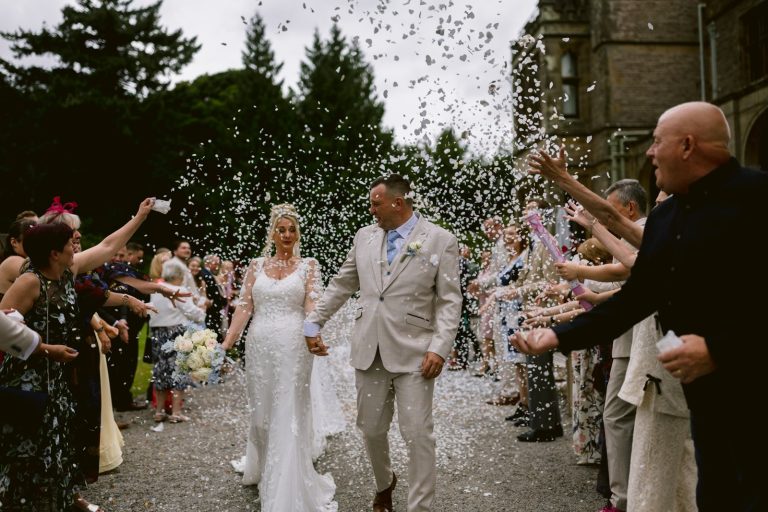
3. After the Ceremony: The Overwhelming Window
This moment tends to be the most stimulating part of the whole wedding:
- Hugs
- Noise
- Congratulations
- Photos
- Questions
- People everywhere
A gentle, ND-friendly idea is:
A wedding photography business can adapt its approach by offering a personalised and flexible group photo process, ensuring neurodivergent couples feel comfortable and supported during this busy time.
Take 5 Minutes Alone Together
No photos.
No wedding party.
No small talk.
Just stillness.
This grounding break makes the entire event easier.
If you’re having group photos, keeping them clear and structured helps immensely.
You can use my ready-made Wedding Group Photo List — neurodivergent couples often find it incredibly helpfulbecause it removes decision fatigue and keeps the process moving in a timely manner.
4. Sensory-Friendly Receptions & The Evening Atmosphere
The cocktail hour, typically held between the ceremony and the main reception, can be adjusted to provide a quiet break or recharge opportunity for neurodivergent guests. Consider customizing this time to offer a calm space before the festivities continue.
Receptions can be a lot: bright lights, loud speeches, unpredictable pacing, and busy rooms. This can easily lead to sensory overload, especially for neurodivergent guests. Managing sensory input is important to ensure everyone feels comfortable and included.
Here are ideas many neurodivergent couples and guests find accessible:
Lighting
Warm lamps, dimmable bulbs, fairy lights, candles.
Avoid harsh LEDs and strobes.
Noise
Ask the DJ or band to keep volume comfortable.
Avoid sudden loud moments.
Silent discos are becoming a favourite for ND-friendly dance floor experiences.
Seating
Offer options:
- Quiet corners
- End seats
- Near exits
- Away from speakers
- Comfy couches
Sensory Tools
A small basket of noise cancelling headphones can be incredibly supportive for kids, autistic adults, ADHD friends, or anyone needing relief.
Speeches
Many neurodivergent couples prefer:
- Short speeches
- Done before the meal
- Or no speeches at all
Breaks
You’re allowed to step away.
Your guests are allowed to step away.
Taking alone time is okay.
First Dance
You can:
- Have a private first dance
- Join halfway through
- Skip it
- Or slow dance as everyone else joins immediately
Your comfort is the priority.
5. Supporting Neurodivergent Guests
Neurodivergent guests might include:
- Autistic adults
- ADHD friends
- Anxious family members
- Sensory-sensitive kids
- Overwhelmed parents
- People you didn’t even know were ND
It’s important to consider the needs of specific guests, such as a best friend with allergies or sensory sensitivities, to ensure everyone can enjoy the celebration comfortably.
You can make the day more accessible by offering:
- Thoughtful seating arrangements
- Quiet spaces for breaks
- Clear signage and schedules
- Sensory-friendly activities
- Managing the guest list to reduce overstimulation and create a more comfortable environment
Clear signage
Avoid vague instructions like “Sit wherever!”
Be specific.
Welcome notes
Let guests know what to expect:
- Ceremony length
- Noise levels
- Bright or dim lighting
- When food is served
- Where the quiet spaces are
Decompression spaces
A calm room or corner with:
- Water
- Soft lighting
- Quiet
- Seating
Sensory-friendly choices
- Predictable menu
- Clearly labelled food
- Shaded outdoor areas
- Gentle transitions between events
These aren’t “special accommodations.”
They’re kindness and inclusion.
6. Autonomy, Boundaries & Creating Your Perfect Day
Your wedding doesn’t need to match tradition, family expectations, the wedding industry, or what social media says you “must do.”
At every stage of the planning process, ask:
“Does this help us feel like ourselves?”
If yes → keep it.
If no → change it.
Many neurodivergent couples design the most authentic celebrations because they aren’t afraid to:
- Have smaller guest lists
- Cut unnecessary traditions
- Tailor music/light levels
- Create quiet zones
- Build in breaks
- Prioritise comfort over performance
- Spend time with a few loved ones instead of feeling stretched thin
Not all neurodivergent people have the same needs or preferences, so flexibility and open communication are key to making your day comfortable for everyone.
Making authentic choices that reflect who you are as a couple will benefit you in the long run, creating memories that truly matter.
Consider hiring a wedding planner to help manage the process and reduce stress, especially if you find planning overwhelming.
Consulting with industry professionals who have experience with neurodivergent-friendly weddings can provide valuable advice and ensure your celebration is inclusive.
You don’t have to do everything.
You don’t have to talk to everyone.
You don’t have to mask.
You don’t have to be “on” all day.
You just have to be present with the person you’re getting married to.
A Note From Me, As a Neurodivergent Photographer
I don’t talk about this often, but being autistic is a big part of why I photograph weddings the way I do — calm, observant, emotionally attuned, and constantly aware of how people are actually feeling beneath the surface.
Because I’m neurodivergent myself, I can spot the early signs of overwhelm long before they become visible. I notice the subtle shift in breathing, the way someone’s eyes glaze when the noise gets too much, the tension in the shoulders, the slight retreat of social energy. And when I see it — whether it’s you, your partner, or anyone in the wedding party — I’ll gently step in.
Sometimes it’s as simple as saying,
“Let’s go take a few photos.”
It’s my quiet code for:
“Let’s get you out of the noise so you can breathe for a moment.”
We’re not always actually taking photos.
Often we’re just walking, slowing down, letting the day soften around you, giving you space to regulate. Couples have told me those small pauses were some of their favourite moments of the whole day.
I love weddings — the buzz, the emotion, the energy, the atmosphere — but I also understand the sensory cost of them. After a wedding, it takes me time to unwind and let my batteries recharge. That rhythm shapes my workflow in a way that actually benefits my couples:
- I only take on around 35 weddings a year, because I know my limits and want to show up fully present for every single one.
- I keep a steady, predictable timeline from wedding day → culling → editing → delivery, because that pacing helps me regulate and helps you receive your photos quickly.
- My editing days are my recovery days — calm, focused, grounding — which means your gallery gets my best attention, not rushed energy.
Being autistic means I approach weddings with a unique blend of sensitivity, structure, and deep emotional awareness. I can’t change the way my brain works — but I’ve learned how to turn it into a strength for the couples I photograph.
My goal is simple:
to create a wedding experience where you feel safe, seen, unpressured, and able to be completely yourselves.
That matters to me — more than anything.
Final Thoughts: Your Day, Your Way
Planning a wedding as a neurodivergent couple isn’t about doing less — it’s about doing what’s right for you.
Start by creating a detailed to-do list to organise tasks, prioritise what matters most, and delegate where possible, so you don’t feel overwhelmed. Choose a wedding date that works for your needs, considering seasonality, vendor availability, and your personal planning goals. Select wedding vendors who understand and respect neurodivergent needs to help ensure your day runs smoothly.
When you design your day around your sensory needs, emotional rhythms, and values, you create a wedding that feels:
- Grounded
- Joyful
- Intentional
- Low-pressure
- Warm
- Inclusive
- Spacious
- Authentically yours
That’s what makes a wedding unforgettable. Not perfection. Not performance. Not tradition.
Just a celebration where you and your partner feel comfortable, connected, and completely yourselves — from the quiet moments to the dance floor, from the vows to the last laugh with your close friends.
Your perfect day is the one that supports your nervous system, honours your identity, and holds space for all the ways you experience the world.
You deserve nothing less.