
Civil Partnership Photography

Civil Partnerships – For Everyone
One of the best parts of my job is that I get to meet all sorts of people from all kinds of backgrounds and beliefs. I get to photograph a massive day in their lives that they will forever remember. That said, traditional marriage is not for everyone, and that’s totally ok! If you’ve not noticed it already, my work and work ethos are all about two people doing things their way and celebrating their relationship!
This page is for the couples who are entering a Civil partnership in their journey together. I believe that these fantastic people deserve their own place on my website and not placed into weddings or elopements but to be proud of who they are and what they’re doing.
So check out the Civil partnerships I have had the privilege to photograph.
Feel free to scroll down to read more about what a civil partnership is with some frequently asked questions, as, well, it might just be right for you and your partner!


What Is A Civil Partnership?
Being in a ‘Common Law’ partnership has been around for the age of time, however legally, couples who identify under a common law marriage or civil partnership do not have the same rights as married couples when it comes to boring things like Legal Rights, Tax, Pensions & Inheritance.
Since the 31st of December 2019 Civil Partnerships for opposite sex couples and genders have been legal in the United Kingdom. It was made lawful for same sex couples to have a civil partnership in 2004, and eventually in 2014 same sex couples were legally allowed to marry. The legal requirements and procedures for giving notice of a marriage or civil partnership are detailed and must be followed precisely. (Madness really isn’t it? But hey, positive change is always good, so let’s keep it going).
P.S. If you are a same sex couple in England & Wales who had a Civil Ceremony and wish to change your marital status to married, you can head to the England & Wales government website here. This option currently does not exist for opposite sex couples who decide to enter a Civil Partnership.
For more detailed information on marriages and civil partnerships, you can visit the official GOV.UK resource.
Why Would You Choose A Civil Partnership Over A Marriage?
Marriage doesn’t always fit with people’s ideologies. This is becoming a blurred line over time as wedding traditions are changing, inside the church and outside. Ideas like, ‘The giving away of the bride’ & ‘Promising to obey’ have always been contested issues. But to be honest, it can simply be a religious reason. For instance, presenting a marriage certificate is a crucial part of the documentation needed when giving notice for a marriage or civil partnership.
For me, I love the idea that people can bring meaning, and legal definition, to their relationships in ways that suit them best. Whatever that may be!
How are Civil Partnerships different from Marriages with Civil Ceremonies?
The civil partnership ceremony itself does not involve an exchanging of vows or the singing of hymns as a conventional might, which you may or may not wish to add yourself. Documents related to civil partnerships are often validated by the General Register Office, which ensures their authenticity.
Instead, the union is valid after both parties sign the civil partnership document. The terminology used throughout is also different from that of a traditional wedding—either a religious one or a wedding by the registrations service, which also officiates civil partnerships.
What do you call your civil partner?
I mean… whatever you want? But during the Civil Ceremony, you would typically say ‘Partner’ rather than Husband or Wife.
How do I get a civil partnership?
The process of getting a civil partnership is very similar to one for a civil wedding.
This is a two-step process, assuming you meet the following criteria:
- You are both of legal age.
- You have both lived in the same area for at least seven days.
- Neither of you is already married or in a civil partnership.
- You’re not close relatives.
Step 1:
- You need to give notice of your intention to register your civil ceremony.
- Ring your local registration service and ask about giving notice for a Civil Partnership. They will set a time a date for you to go into the office with the relevant I.D. and paperwork to register that you both want to start a legal journey together, such as a valid passport or UK birth certificate.
- If you are an EEA national, you may need to provide proof of your status under the EU Settlement Scheme, such as pre-settled status.
- You must reside in the same registration district for at least seven days before giving notice.
- If you were born in the UK, you will need to present your UK birth certificate as proof of identity and nationality.
- If you normally live outside the UK, you must provide a UK contact address, which could be the address of a partner, friend, or family member.
Step 2:
- The actual registration is the signing of your Civil Document, declaring that you are now civil partners.
There are no further legal hoops to jump through! You don’t even have to have a ceremony, although you can choose to have one if you want, with many local authorities happy to arrange for a ceremony in addition to the signing of the civil partnership document. At the end of the day we all love to be happy and ceremonies are a great way to solidify your decision in a Civil Partnership.
If you want a ceremony after you have signed the civil document schedule, and the local authority refuses to carry out a ceremony, you could:
- Find another approved venue where you can sign the civil partnership schedule and have a ceremony
- Arrange a ceremony somewhere else on the same day, or on a different day after the legal bit is done and have a close friend or professional official conduct the ceremony. Make it personal. Make it yours!
Where Can You Host A Civil Partnership Ceremony at a Local Register Office?
You can register your civil partnership at any registry office or at any venue that is approved to register civil partnerships.
Anywhere that has been authorised to hold civil marriages is approved automatically to register civil partnerships, as non- religious venues cannot choose whether to hold civil partnerships or not. If they hold civil weddings, this would be unlawful discrimination to deny you your Civil Partnership Ceremony.
Religious premises, however, are not obliged to host civil partnership ceremonies which they can do if they wish to. They are also able to host only same sex civil partnership schedules if they wish to deny opposite sex couples their civil partnership schedule.
How Much Does A Civil Partnership Cost?
You will need to pay a fee to give notice of your intention to register a civil partnership, as well as a registration fee. The cost depends on where you want to register your civil partnership. It’s a good idea to contact the venue for details of the fees.
Planning Your Ceremony
Choosing a Venue
When planning your ceremony, choosing the right venue is crucial. You can opt for a civil ceremony at a local register office, an approved premises, or even an outdoor ceremony at a licensed venue. Consider the number of guests, ambiance, and location when selecting a venue. Ensure that the venue is licensed for civil partnerships and marriages. You can check the list of licensed venues on GOV.UK or contact your local register office for guidance.
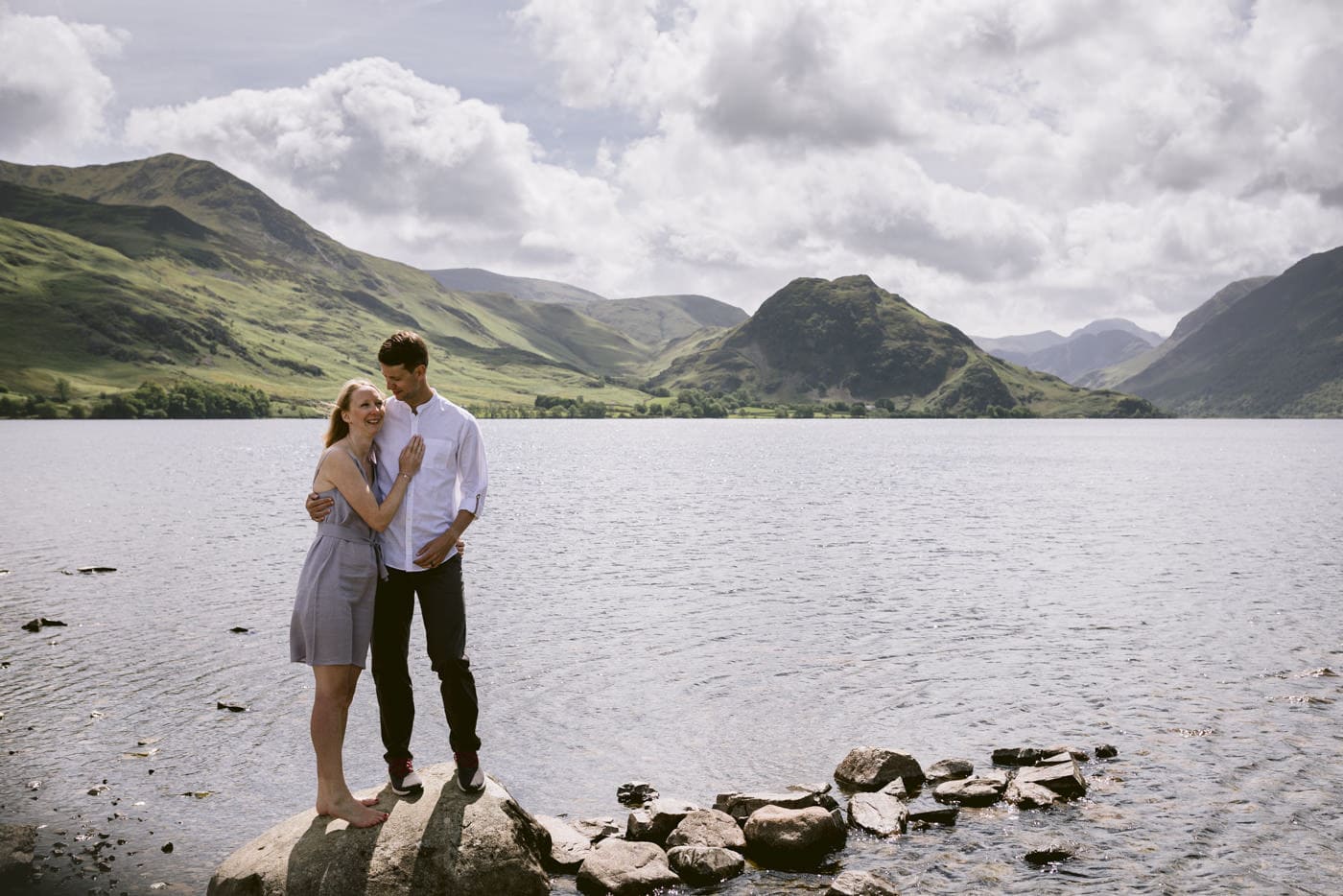


How to choose a photographer for your civil partnership
Capturing your special day requires a skilled photographer. When choosing a photographer, consider their experience in shooting weddings and civil partnerships. Check their portfolio, reviews, and ask for referrals. Discuss your photography style preferences and ensure they can deliver the desired outcome.
Finding the right photographer can be a hard task.
Choosing the right photographer can feel overwhelming. But if you connect with their work and approach, you’re already on the right track.
This page should help you decide if I’m the right fit for your wedding or elopement.
I’m the right photographer for you if:
- You want relaxed, fun photographs of your friends and family.
- You want your day documented honestly—no awkward posing, just natural moments (except for your couple portraits).
- You’d love some romantic alone time on your big day to capture stunning fine art portraits.
- The creative arts hold a lot of value for you.
- You have a CRAZY idea and want to roll with it!
- You’re up for an adventure.
- You want to forget about the camera and trust me to capture your story.
- Spending quality time with your guests is a priority.
- You have a sense of humour.
I also limit myself to a maximum of 35 weddings per year. This ensures I can give each couple the time and attention they deserve while delivering high-quality images efficiently.
Why the limit?
Early in my career, I worked alongside a photographer who shot over 100 weddings a year. One day, while driving to a wedding, I asked for the couple’s names. The response?
“I don’t know, check the bit of paper.”
That moment stuck with me. I promised myself I’d never take on so many weddings that my couples became just another date in the diary. Your wedding is personal, and your photographer should treat it that way.