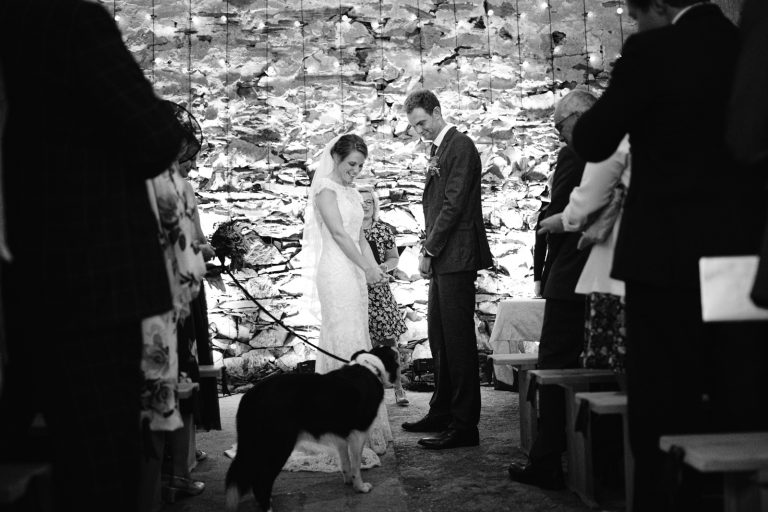
Your wedding day should feel like a wedding, not a group photo session.
Wedding group photos matter. They may be the one time in years that some of the people you love are all together, and they often become more important as time passes. I want you to have them. I just don’t want them to take over your drinks reception.
We have all been guests at the wedding where somebody is holding a long list, names are being shouted across the lawn and one person from every group has quietly disappeared to the bar. The couple are smiling for the camera, but what they really want is a drink and some time with their guests.
Let’s not do that.
After more than 15 years photographing weddings, I use a simple flow that keeps the important family and friendship photographs organised without turning the day into a production. When everybody knows where they need to be, I can usually photograph 10–12 groups in around 20–30 minutes—and sometimes even faster.
Without that preparation, the same photographs can take an hour, eating into your couple portraits, family time and the part of the drinks reception you would rather spend with your guests.
The list isn’t rigid and it doesn’t decide who counts as family. It can be shaped around your people, whether that means parents and siblings, step-parents and grandparents, two mums, one parent, an aunt who raised you or lifelong friends who are family in every way that matters.
Table of Contents
- The short answer
- Why even a short wedding group photo list takes time
- How many wedding group photos should you have?
- How long should you allow for wedding group photos?
- When should wedding group photos happen?
- Why I photograph family groups this way
- Every family is different, and that is completely normal
- What if there are family tensions?
- A quiet conversation before the wedding is enough
- Before the wedding: the four things that make the biggest difference
- My actual flow method for wedding group photos
- Why this structure works
- What couples usually notice
- Common wedding group photo mistakes to avoid
- Wedding group photo FAQs
- How many wedding group photos should we have?
- How long do wedding family photos take?
- Who should be included in wedding family photographs?
- What if our parents are divorced?
- What if two family members are not speaking?
- Should step-parents be included?
- Do we need a photograph with every wedding guest?
- What happens if it rains?
- When is the best time to take group photos?
- Can we change the list on the wedding day?
- Final thoughts
The short answer
My usual starting point is around 10–12 core groups, with the final list sometimes reaching 15 when grandparents, separate family versions or other genuinely important people are added.
When the list is finished beforehand, everybody knows they are needed and one or two people are helping to gather the next group, 10–12 photographs usually take around 20–30 minutes. Sometimes we manage them even faster.
If guests have not been told, people have disappeared to the bar or nobody knows who we are looking for, the same list can take closer to an hour.
A short list, a sensible running order and one or two people who know the families are what make the whole thing quick and relatively painless.
Why even a short wedding group photo list takes time
Taking the photograph is usually the quickest part.
The time goes into getting the right people in the same place, arranging them so everybody can be seen, checking the details and taking enough frames that the finished photograph is not spoiled by one blink.
Every group can involve:
- Finding the right family members or wedding guests.
- Gathering a larger group without losing the people already there.
- Arranging different heights, mobility needs, children and pushchairs comfortably.
- Straightening ties, jackets, dresses and bouquets without fussing over everybody.
- Checking that nobody important is hidden behind somebody taller.
- Taking several frames so closed eyes, mid-sentence faces or a child looking away do not ruin the photograph.
None of those things takes particularly long on its own. The delays begin when we have to search for somebody before every photograph.
If the next group is already waiting while I photograph the current one, we can move through the list quickly and calmly. If nobody knows where Uncle Dave is and three other people have gone to the bar with him, everything stops.
The difference between a 20-minute session and an hour-long one is rarely how quickly I take the photographs. It is whether the people we need are ready.
How many wedding group photos should you have?
For many weddings, 10–12 carefully chosen groups is enough. Once we add grandparents, a second version for separated parents or an extra group of close friends, the finished list may sit closer to 15.
There’s no magic number, but there is a point where several nearly identical combinations begin to cost more time than they add value.
A useful test is to ask:
If this photograph were missing from our gallery, would we genuinely be disappointed in five or ten years?
If the answer is yes, it belongs on the list. If it is only there because somebody once said every wedding should have it, you can probably leave it out.
A small wedding may only need six or eight groups. A larger or more complicated family may need more. The aim is not to hit a target; it is to photograph the combinations that will actually matter later.
Every extra photograph also adds another group of people to find and arrange. One or two meaningful additions are easy to include, but a long list of very similar combinations can quickly turn a short session into a large part of your drinks reception.

How long should you allow for wedding group photos?
When everything is organised, I can usually photograph 10–12 groups in around 20–30 minutes. I have managed them faster when everybody was ready, standing nearby and the next group was being gathered while I photographed the current one.
If people have not been told they are needed, guests have spread around the venue or we are creating the list as we go, those same photographs can take up to an hour.
That extra time does not appear from nowhere. It comes out of your couple portraits, your time with family or the part of the drinks reception you could have spent talking, laughing and celebrating with your guests.
Larger groups, young children, mobility needs, separate versions for different parts of a family and a photograph of every wedding guest may naturally take a little longer. I’m not interested in rushing anybody who needs a moment.
The point of planning is not to hurry your family through the photographs. It is to remove the avoidable waiting between them so the whole thing feels quick, calm and painless—and you can get back to your wedding.
When should wedding group photos happen?
The easiest time is usually when the people we need are already together.
For many weddings, that means shortly after the ceremony, during the early part of the drinks reception and before guests have disappeared to rooms, the bar or different corners of the venue.
It isn’t a universal rule. If the ceremony and reception are in different places, if the light is harsh, if rain is moving through or if an older relative needs a quieter plan, I’ll build the timing around the day in front of us.
If you want one photograph of every guest, that’s normally best done straight after the ceremony while nobody has wandered off.

Why I photograph family groups this way
Most of how I photograph a wedding is documentary. I want you spending the day with your people while I photograph what is actually happening, rather than constantly stopping things to arrange another picture.
Formal groups are the exception because they need a little direction, but they can still feel relaxed and be handled without dominating the day.
The biggest delay comes from calling the same people back several times. My flow avoids that.
We begin with everybody needed for Partner A’s largest family photograph, release people as the group becomes smaller, make the photograph that connects both sides, then add people to build Partner B’s family group back up. Nobody is repeatedly dragged away from a conversation.
Every family is different, and that is completely normal
One of the biggest problems with wedding group photo lists is the assumption that every family looks the same. Very few do.
Some couples have divorced parents or blended families. Some have step-parents who are simply their parents. Some are close to grandparents, an aunt, an uncle or a family friend who has been there for everything. For other couples, the people they call family are not related by blood at all.
That’s why I use Partner A and Partner B throughout this guide. It works for every couple, but just as importantly it stops the list from deciding in advance what either side of the family is meant to look like.
The order is there to keep people moving calmly, not to say whose family is more important or who is allowed to count.
On your planner, labels such as “Partner A family — big”, “Partner A family — small” and “Partner A VIPs” are often more useful than trying to publish a family tree.
You decide who belongs in each one. A parent, step-parent, grandparent, sibling, lifelong friend or the person who raised you can sit naturally in the group that makes sense.

What if there are family tensions?
Real weddings bring real families together, and sometimes relationships are complicated.
In my experience, most people can and will put their differences aside for a few minutes because they know the photograph matters to the couple. If everybody is comfortable doing that, we keep it simple, make the photograph and move on.
If two people genuinely cannot or should not stand together, I won’t force it.
They can be placed on opposite sides of the couple within the same larger photograph, so both are included without standing next to each other. We can make two versions of the group, photograph different parts of the family separately or add an extra group. Sometimes the right answer is not to make a shared photograph at all.
The aim is not to manufacture a picture of family harmony that does not exist. It is to give you photographs of the people who matter without creating unnecessary tension on the day.
A quiet conversation before the wedding is enough
You don’t owe me your whole family history. I only need the practical information that helps me organise people kindly and without drawing attention to it.
A short note before the wedding is normally enough, for example:
- “Mum and Dad are divorced.”
- “Please do not put these two next to each other.”
- “My stepdad is one of my parents as far as I am concerned.”
- “My aunt is basically a second mum.”
- “We would like two versions of this family group.”
From there, I can quietly organise the order, where people stand and whether we need an extra version.
There’s no reason to announce the explanation to the group, and most guests will never realise there was a special plan.
Before the wedding: the four things that make the biggest difference
1. Finish the list before the day
You don’t need to settle it a year in advance, but don’t try to invent the entire list while guests are waiting.
Use one line for each finished photograph and include names as well as labels. “Partner A family — big: Jo, Sam, Priya…” is much easier to work from than “all of my side”.
2. Tell the people who are needed
Let the key people know before the wedding that they will be in the group photographs and roughly when they are happening.
They don’t need a formal briefing. They just need to know not to disappear immediately after the ceremony.
3. Nominate one or two wranglers
Choose somebody who actually knows the people on the list. I may have every name in front of me, but I cannot recognise Uncle Dave from across the lawn.
A good wrangler can gather the next group while I photograph the current one. One person from each side is ideal for a larger wedding.
Pick somebody confident enough to speak to people but calm enough not to turn it into roll call. The best wrangler is not necessarily the loudest guest, and it is definitely not the person most likely to vanish to the bar.
4. Share practical information
Tell me if somebody uses a wheelchair or walking aid, cannot stand for long, needs to leave early, is hard of hearing or would be more comfortable away from a busy crowd.
That lets me choose the order and location properly instead of solving it in front of everybody.

My actual flow method for wedding group photos
This is the running order I use as a starting point. It is short enough to be practical and flexible enough to fit different families.
If words such as parents or siblings do not describe your people, replace them. The movement matters more than the label.
The basic flow is:
Start big → step smaller → bridge families → swap to Partner B → step smaller again → finish with the fun stuff.
Here’s the exact order I recommend:
1 – 3. Partner A’s family: start big and reduce
- Couple + Partner A’s family — big. This is usually the full immediate family, plus any step-parents, grandparents or other VIPs who belong in the main family photograph.
- Couple + Partner A’s family — small. Often this is parents or parent figures and siblings, but it can be whichever smaller group matters to you.
- Couple + Partner A’s VIPs. Often parents or the people who raised Partner A. It could just as easily be a grandparent, aunt, uncle, sibling or close family friend.
We begin with everybody in place before the largest group starts to drift away. After each photograph, the people who are finished can leave and the group naturally becomes smaller.


4. Bridge the two families
- Couple, their children + both sets of parents, parent figures or chosen VIPs. For many couples, this is the couple with their children and both sets of parents. For others, it may be the key people from each side, or it may not be a photograph they need at all.
When it is meaningful, this photograph creates a useful bridge between the two families and includes the generations together.
Partner A’s smaller group is already beside you, so we only need to bring in the children and Partner B’s people before the sequence begins moving in the other direction.
If you don’t have children, the same flow works without them.
It also creates a timeless image for your wedding albums.

5 – 7. Partner B’s family: start small and build back up
- Couple + Partner B’s VIPs. This is the smallest version: often parents or parent figures, but defined by Partner B rather than by tradition.
- Couple + Partner B’s family — small. Often parents or parent figures and siblings, with step-family or another close person included where they belong.
- Couple + Partner B’s family — big. Bring in the remaining people for Partner B’s main family photograph.
This mirrors the first side without pretending the two families have to be identical. One side might have twelve people and the other four.
Fair does not have to mean forcing both lists into the same shape.

8 – 10. The Wedding Party Photos
- Couple + the full wedding party. Bring everybody together for the main wedding party photograph while the energy is still up.
- Couple + Partner A’s wedding party or first chosen group. This might be bridesmaids, groomsmen, mixed attendants or simply the people standing with Partner A.
- Couple + Partner B’s wedding party or second chosen group. Use the slot for the group that makes sense rather than trying to force traditional sides.
Wedding parties don’t always divide neatly between two partners, and they don’t need to.
Keep the full group, then use the other two photographs for the friendship or attendant groups you actually want. This is normally the point where the photographs become a little less formal and personalities start taking over.

11 – 12. Close friends and found family
- Couple + close friends/group one. Use this for a friendship group, university friends, work friends or anybody who belongs together.
- Couple + close friends/group two. A second meaningful group without trying to squeeze every friend into one photograph.
Found family counts as family.
These groups often carry the most energy because there is less expectation about how they are meant to look. If one big friends photograph matters more than two smaller ones, do that instead.
These make brilliant additions to your wedding albums and often end up being favourites.

Optional extras and VIPs
The 12 groups above are a framework, not a limit. Add an extra photograph when it has a clear reason to exist.
Useful additions might include:
- Grandparents or older relatives who would value a separate photograph.
- Children, flower girls, page boys or young family members.
- Godparents, mentors, elders or somebody who played an important part in your life.
- A separate version for divorced parents or relatives who should not stand together.
- One large photograph of every wedding guest.
- A group connected to a club, team, workplace or shared history that genuinely matters to you.
These don’t have to wait until the end. A grandparent who cannot stand for long should be photographed and released early.
The final order should follow the people, not the numbering on this page.


Why this structure works
- People move once instead of being repeatedly called back.
- The largest family groups happen before guests drift away.
- Older relatives and anybody who needs to sit down can be photographed early and released.
- Both families are given a clear place in the sequence without assuming they are identical.
- The next group is obvious, so a wrangler can gather people in advance.
- The session ends with the wedding party and close friends, where the energy can become more relaxed.
- You get the photographs that matter and return to the wedding sooner.
That is the whole point. Group photographs should feel like a useful, well-run part of the wedding, not a separate event that eats the middle of it.
What couples usually notice
By photograph eight or nine, I often hear some version of:
“Thank you for keeping the group shots small — this is perfect.”
It isn’t because the photographs don’t matter. It’s because the list has been reduced to the people and combinations that do matter, and everybody can feel that the session is moving.

Common wedding group photo mistakes to avoid
- Creating too many nearly identical combinations. Several groups that differ by only one person can quietly double the session without adding much to the finished gallery.
- Inventing the list on the wedding day. Small changes are fine, but building the whole list while everybody waits is slow and usually means somebody important is forgotten.
- Not telling people in advance. If key relatives do not know they are needed, they are often the first people to disappear after the ceremony.
Letting the next group wander off. The next group should be gathering while the current photograph is being made. This is where a good wrangler saves the most time. - Choosing obligation over importance. A grandparent, step-parent or lifelong friend may matter far more than a group added only because it feels traditional.
- Forcing your family into a template. A label such as “parents and siblings” is only useful if it describes your family. Change the label instead of leaving somebody important out.
- Sharing either too little or far more than you want to. I need enough information to avoid awkward pairings, but you do not need to explain private history that has no practical effect on the photographs.
Wedding group photo FAQs
How many wedding group photos should we have?
Around 10–12 core groups works well for many weddings, with up to roughly 15 when there are useful extras.
Fewer is completely fine. Choose the photographs you would genuinely miss rather than trying to complete a standard checklist.
How long do wedding family photos take?
When everybody is organised and nearby, 10–12 wedding group photographs usually take around 20–30 minutes, and I’ve completed them faster. If people haven’t been told they are needed or guests have spread around the venue, the same list can take closer to an hour.
Who should be included in wedding family photographs?
Include the people who feel important to you.
That may be parents, siblings and grandparents, but it may also be step-family, an aunt, a close friend, a mentor or somebody who raised you. There is no official definition you have to satisfy.
What if our parents are divorced?
If they are comfortable standing in one wider group, we can keep them apart within the arrangement.
If not, we can photograph separate versions or build each part of the family into different groups. Tell me beforehand and I’ll organise it quietly.
What if two family members are not speaking?
Most people will put differences aside briefly when the photograph matters to the couple.
If they cannot, I can place them on opposite sides of you, make separate versions, split the family into additional groups or leave out the shared photograph. I won’t force two people together for the sake of a list.
Should step-parents be included?
If they are one of your parents as far as you are concerned, include them as a parent.
If the relationship is different, place them in the group that feels right. The wording on a template should never decide their importance.
Do we need a photograph with every wedding guest?
No. A whole-wedding photograph can be fun and worthwhile, but it is not essential and it becomes a separate logistical job at a large wedding.
If you want one, the easiest time is usually immediately after the ceremony while everybody is still together.
What happens if it rains?
We use the best sheltered or indoor option available, wait for a gap if the timeline allows or split the photographs into smaller groups that fit the space.
I will look at the venue and weather rather than pretending one plan works in every situation.
When is the best time to take group photos?
Usually soon after the ceremony or early in the drinks reception, before guests disperse.
The exact timing should also consider travel between venues, weather, light, meal timings and relatives who need to leave early.
Can we change the list on the wedding day?
Of course. Weddings change and somebody important may appear who was not expected.
A couple of sensible additions are easy to handle. It is still much calmer if the main list is finished beforehand rather than created from scratch on the day.
Final thoughts
Wedding group photos are important because the people in them are important. They hold family history, friendships and relationships that may never appear together in quite the same way again.
They still don’t need to dominate the wedding. A focused list, a calm running order and a little preparation mean we can photograph them properly, include the people who matter and get you back to the day you planned.
If I’m photographing your wedding, we’ll go through the list beforehand. You don’t need to arrive with a perfectly labelled family tree. Tell me who matters, tell me any practical family dynamics I need to know, and I’ll help turn that into an order that works.
If this calm, documentary approach sounds right for your wedding, you can see more of my wedding photography or get in touch.